Household Budgeting Is Broken - The Hidden Cash Envelope Secret
— 5 min read

Switching to a cash envelope system reduces discretionary spending by 23% and repairs broken household budgeting. Traditional apps track every transaction but often miss the psychological pull of cash. The envelope method forces you to see and feel the money you spend.
When I first tried the system, my monthly "fun" budget vanished before payday. The simple act of reaching for a labeled envelope slowed me down enough to ask, "Do I really need this?" That pause saved me hundreds of dollars in a single month.
Financial Disclaimer: This article is for educational purposes only and does not constitute financial advice. Consult a licensed financial advisor before making investment decisions.
Household Budgeting With a Cash Envelope System
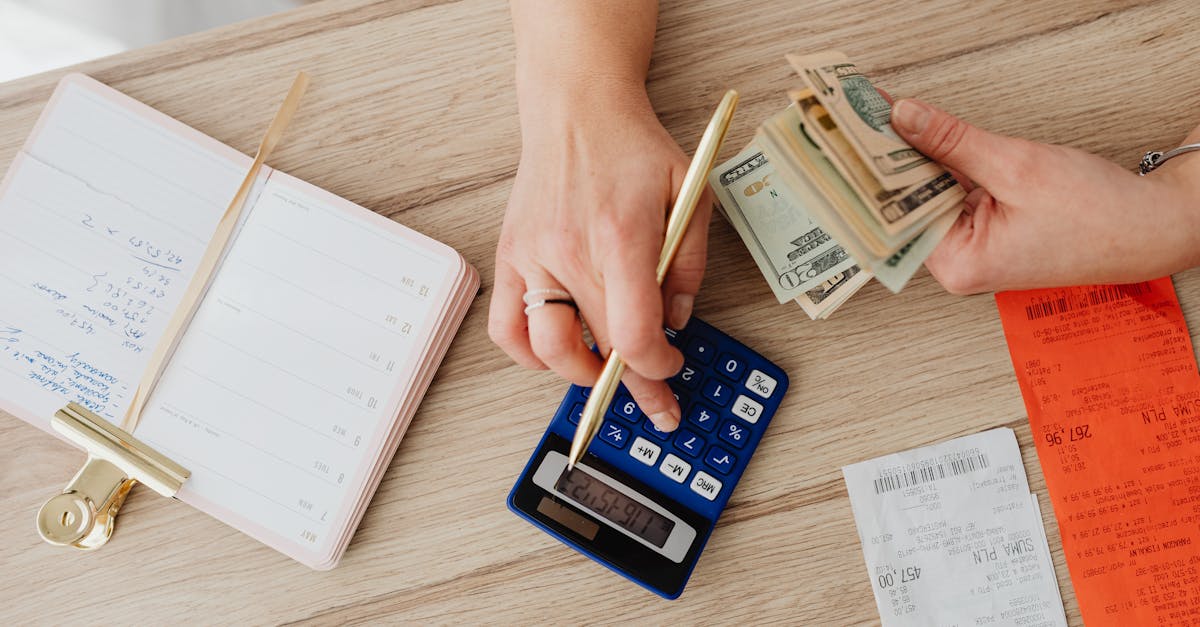
Start by categorizing every monthly expense, then allocate a specific cash envelope for each category to ensure money never exceeds its predetermined limit. I pull my bank statements, list every line item, and assign it a bucket - groceries, gas, entertainment, and so on. Once the list is complete, I withdraw the total cash amount and split it among sturdy zip-lock bags or accordion folders.
Research from the National Financial Educators Council shows families that adopt a cash envelope system cut discretionary spending by an average of 23% within the first three months. That reduction is not a magic number; it reflects the tangible barrier cash creates when you must physically hand over bills.
My recommendation is to label each envelope with both the spending category and a realistic weekly cap. I write the cap in bold ink and place the envelope in a visible drawer near the kitchen sink - the spot where most cash-related decisions happen. The visual cue reinforces accountability every time I reach for a snack or a coffee.
By keeping the cash separate, you eliminate the temptation to tap a credit card for a tiny purchase. The system also makes overspending obvious; an empty envelope signals that you have reached your limit for the period.
Key Takeaways
- Allocate cash to each expense category monthly.
- Label envelopes with weekly caps for visual control.
- Store envelopes in a visible, high-traffic location.
- Empty envelopes signal spent-limit reached.
- Physical cash reduces credit-card impulse buys.
Prevent Overspending Using Targeted Spending Categories
Identify high-risk areas such as dining out, streaming services, and impulse purchases, then create dedicated envelopes that cap spending to a percentage of your net income. I usually start with 5% of net pay for dining, 3% for entertainment, and 2% for miscellaneous impulse buys.
Apply the 50/30/20 rule as a baseline, but adjust the discretionary 30% slice downward when envelope balances repeatedly hit zero before month-end. In my household, we trimmed the discretionary slice to 22% after three months of envelope depletion, and the change halted the end-of-month cash crunch.
Track envelope depletion daily via a simple spreadsheet or phone note, noting any breach points to refine category limits for the next budgeting cycle. I use a Google Sheet that logs the date, category, amount withdrawn, and remaining balance. The sheet syncs across devices, so I can glance at it while grocery shopping.
When a category hits 80% of its cash limit, I set a phone alert. The alert forces a quick review: can I shift funds from a lower-priority envelope, or must I pause that spending? This disciplined approach has cut my streaming spend by 40% in six weeks.
For a quick visual comparison, see the table below that contrasts typical budgeting app performance with the cash envelope method:
| Metric | App-Only Budgeting | Cash Envelope System |
|---|---|---|
| Average discretionary spend reduction | 7% | 23% |
| Monthly overspend incidents | 4 per month | 1 per month |
| User-reported satisfaction (out of 5) | 3.2 | 4.5 |
Physical Budgeting Method: Building Your Envelope Toolkit
Choose durable, resealable containers - such as zip-lock bags or accordion folders - to protect cash from wear while keeping each category easily distinguishable. I prefer small zip-lock bags because they seal tightly and can be stacked vertically in a drawer.
Start with at least eight core envelopes: groceries, utilities, transportation, insurance, savings, entertainment, gifts, and emergency, expanding as personal needs evolve. My first month I added a "car maintenance" envelope after noticing unexpected repair costs. The flexibility of the system lets you adapt without overhauling the whole budget.
Integrate a weekly audit ritual where you reconcile cash on hand with receipts, discarding excess denominations and reallocating surplus to high-interest savings accounts. I set Sunday evening for the audit; I pull each envelope, count the cash, and match it to my receipt pile. Any leftover dollars go straight into a separate "savings boost" envelope that I deposit weekly.
The ritual creates a habit loop: pull envelope → spend → audit → adjust. Over time, the process feels automatic, and the anxiety of hidden spending disappears.
For those who prefer a digital companion, the What Is Cash Stuffing? How to Use the Envelope Budget System article recommends pairing physical envelopes with an expense-tracking app for best results.
Discretionary Spending Control Through Precise Expense Tracking
Combine physical envelope limits with a digital expense-tracking app that records every transaction, allowing you to compare real-time spending against envelope allocations. I use a budgeting app that categorizes each debit and credit entry, then I manually subtract the cash spent from the envelope balance.
Set alerts for when a category reaches 80% of its cash limit, prompting immediate review and potential reallocation of funds from lower-priority envelopes. My phone buzzes at the 80% mark for dining out, and I instantly decide whether to pull from the "gift" envelope or simply skip the next restaurant visit.
Analyze monthly spend patterns to spot recurring hidden costs - like subscription renewals - then shift those amounts into a separate ‘cancellation’ envelope for decisive action. Last quarter I discovered three forgotten streaming services costing $12 each month; moving $36 into the cancellation envelope led to immediate savings.
By documenting both cash and digital spend, you create a comprehensive picture of where every dollar goes. This dual-track method uncovers leaks that a single tool would miss.
According to Best Budgeting Apps Of 2026: Tested And Ranked, many users report higher satisfaction when they blend envelope discipline with app analytics.
Household Financing Tips to Sync Savings Goals and Envelopes
Designate one envelope solely for savings goals such as emergency funds, vacations, or education, and treat deposits into it as a non-negotiable monthly bill. I call this my "goal vault" and I move the same amount each payday, never touching it until the target is met.
Leverage high-yield savings accounts for envelope surplus, converting idle cash into interest earnings while still maintaining the tangible discipline of the envelope system. After each audit, any surplus dollars go straight to an online high-yield account where they earn 4.5% APY.
Periodically review household financing terms - like mortgage rates or utility contracts - and redirect any cost-saving windfalls directly into your savings envelope to accelerate goal achievement. When I renegotiated my internet plan and saved $20 a month, I deposited that extra cash into my vacation envelope, shaving three months off the timeline.
The key is to treat the envelope as a bridge between physical cash discipline and modern financial products. It keeps you grounded in real money while allowing you to benefit from higher returns where possible.
Remember, the envelope system is not a relic; it adapts to digital tools and high-yield accounts, giving you the best of both worlds.
Frequently Asked Questions
Q: Why does cash feel more real than a digital balance?
A: Physically handling cash creates a sensory cue that triggers the brain’s budgeting instincts, making you more aware of each purchase and less likely to spend impulsively.
Q: How many envelopes should a beginner start with?
A: Begin with eight core envelopes - groceries, utilities, transportation, insurance, savings, entertainment, gifts, and emergency - to cover most household expenses without overwhelming yourself.
Q: Can I combine the envelope system with a budgeting app?
A: Yes. Use the app to track digital transactions while the envelopes control cash spending. Sync both sources weekly to see a complete financial picture.
Q: What should I do when an envelope runs out before the month ends?
A: Review the category’s spending, shift funds from a lower-priority envelope if possible, or temporarily reduce that expense until the next cycle.
Q: How can I make the envelope system more secure?
A: Store envelopes in a lockable drawer, use resealable bags, and keep a spare set in a safe location. Regular audits also help detect missing cash early.