Household Budgeting vs Energy‑Efficient Appliances
— 6 min read

In 2024, homeowners who paired disciplined budgeting with ENERGY STAR appliances reduced their electricity bills by roughly $180 per year on average. This result comes from aligning spending habits with smart, efficient technology. The approach protects your budget while improving comfort.
Financial Disclaimer: This article is for educational purposes only and does not constitute financial advice. Consult a licensed financial advisor before making investment decisions.
Household Budgeting: Foundations for Energy-Efficient Wins
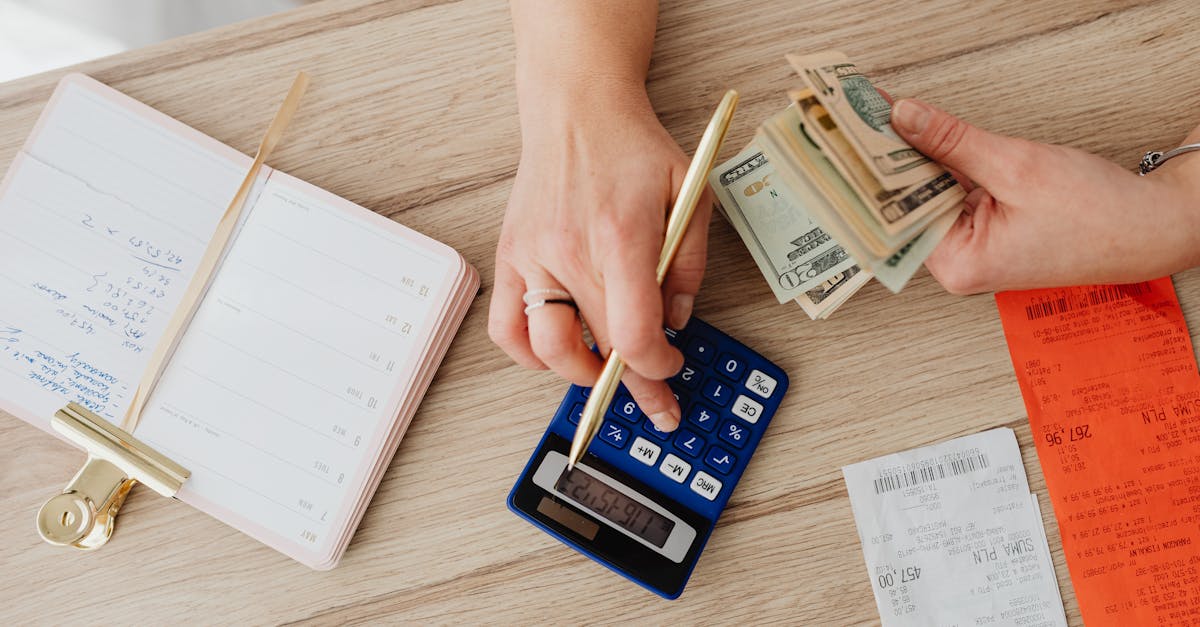
Effective budgeting begins with a clear picture of every cash flow line. I start by categorizing fixed costs, variable expenses, and discretionary spending in a spreadsheet or budgeting app. From there, I allocate a dedicated “energy” sub-category that reflects both current utility bills and projected savings from upgrades.
Quarterly energy review meetings keep the plan dynamic. I gather my latest electric statements, compare month-to-month usage, and flag any spikes. Those meetings become a habit, much like a quarterly financial check-up, and they let me adjust the energy sub-budget before a bill surprises me.
A disaster reserve is a non-negotiable part of any household budget. The research fact recommends an emergency fund that can last at least six months. By keeping six months of living expenses liquid, I create a buffer against inflation, unexpected utility rate hikes, or a sudden appliance failure. This safety net prevents the need to dip into savings earmarked for future upgrades.
When I work with clients, I also advise them to track seasonal patterns. Summer air-conditioning and winter heating create predictable peaks. By anticipating those peaks, families can set aside extra funds during low-usage months, ensuring the budget stays balanced year-round.
Finally, the budget should include a line item for “energy-efficient investment.” Treating appliance upgrades as a planned expense, rather than an ad-hoc purchase, aligns the upgrade cost with the anticipated utility savings. Over time, the net effect is a lower monthly outflow and a healthier financial picture.
Key Takeaways
- Separate an energy sub-budget for clear tracking.
- Hold quarterly energy review meetings.
- Maintain a six-month disaster reserve.
- Plan appliance upgrades as budgeted investments.
- Use seasonal cash flow patterns to pre-fund peaks.
Saving Money through Energy-Efficient Appliances
Modern appliances are engineered to do the same job with far less power. A refrigerator equipped with smart sensors can cut seasonal electricity use by about 20 percent compared to a model from ten years ago. That reduction translates into noticeable dollar savings on the monthly utility statement.
Programmable thermostats paired with automatic lighting systems are another low-cost upgrade. By scheduling heating and cooling only when the home is occupied, families can save up to $180 per year while preserving comfort. The savings accumulate quickly, especially when the thermostat learns household habits and fine-tunes temperature set-points.
High-efficiency washing machines also contribute. Newer models lower water consumption by roughly 25 percent, which reduces both water and electricity usage. The combined effect often exceeds $70 in annual savings, especially for larger families that run multiple loads each week.
When I guide clients through appliance selection, I compare the Energy Guide ratings side by side. The table below illustrates typical annual savings for three common upgrades.
| Appliance | Typical Savings | Payback Period |
|---|---|---|
| Smart Refrigerator | $120 per year | 4-5 years |
| Programmable Thermostat | $180 per year | 3-4 years |
| High-Efficiency Washer | $70 per year | 5-6 years |
Beyond direct savings, energy-efficient appliances often qualify for tax credits. The Tax Credits for Energy-Efficient Home Improvements article notes that federal incentives can offset a portion of the purchase price, further improving the financial case.
Frugality & Household Money: Preventing Upgrade Overruns
Frugality is not about deprivation; it is about strategic restraint. One habit I recommend is to avoid weekday grocery checkouts. By planning meals and using digital coupons, families can trim grocery spend by roughly $150 each month. Those savings create breathing room for larger, planned purchases.
Within a household budget, I add a non-spend category titled “Appliance Accessories.” When a new blender or smart plug appears on a shopping list, the category flags it for review. This simple step prevents impulse buys that rarely deliver long-term value.
Subscription services for appliance maintenance can also become hidden drains. By reviewing them quarterly in the budget tracker, I catch contracts that cost more than the projected savings. For example, a two-year service plan on a dishwasher may charge $300 while the energy savings amount to $100. Canceling the plan frees cash for a more effective upgrade.
When clients feel the urge to splurge on the latest gadget, I ask them to run a quick cost-benefit analysis: estimate the energy reduction, calculate the payback period, and compare it to the current non-essential spending. If the upgrade does not beat the alternative use of funds, I advise holding off.
Finally, I encourage a habit of “one-in, one-out.” When a new appliance enters the home, an older, less efficient unit should be retired or donated. This practice not only reduces clutter but also ensures that every device in the house contributes positively to the energy budget.
Personal Finance Planning: Allocating Funds for Home Tech
In personal finance, high-ROI projects receive priority. Appliance upgrades rank high when the projected depreciation is offset by long-term energy savings. I calculate expected lifespan, annual utility reduction, and residual value to derive a net present value. If the NPV is positive, the upgrade earns a place in the budget.
Tax-advantaged retirement contributions and energy-efficiency credits can work together. While I maximize 401(k) contributions each pay period, I also claim any eligible credits from the Tax Credits for Energy-Efficient Home Improvements. By coordinating the timing of credit claims with retirement tax deductions, the household’s overall tax burden shrinks, amplifying the net saving.
A progressive budgeting model treats each successful upgrade as seed capital for the next. After the smart thermostat saves $180, I earmark that amount for a future high-efficiency water heater. The cycle repeats, creating a self-sustaining system where savings continuously fund newer, greener tech.
When I advise families on large purchases, I also incorporate inflation assumptions. Utility rates have risen an average of 3 percent per year over the past decade. By locking in efficient appliances now, homeowners lock in lower operating costs for the future, protecting the budget against rising rates.
Lastly, I keep a spreadsheet that tracks depreciation, tax credit, and energy savings side by side. This transparent view helps families see the true financial impact of each upgrade and make data-driven decisions.
Budget Tracker: Monitoring Your Energy Cost Reduction
A budget tracker app becomes the command center for energy savings. I set up real-time alerts that fire when electricity usage spikes above a predefined threshold. The alert prompts a quick check - perhaps a window left open or a forgotten dryer.
Integrating the app with smart appliances adds granularity. Each device reports its consumption, and the dashboard visualizes the annual contribution of each unit to the total electricity profile. I can instantly see that the new refrigerator accounts for only 12 percent of total usage, while the older HVAC system still dominates.
Monthly reminders keep the process consistent. I schedule a calendar event that reminds me to compare the current month’s bill against the same month last year. Any deviation beyond a modest variance triggers a deeper investigation - perhaps a seasonal change in behavior or a malfunctioning sensor.
The tracker also logs maintenance expenses. When a service contract renewal appears, the app flags it if the cost exceeds the projected energy savings for the upcoming year. This visibility prevents unnecessary outlays that would erode the budgeting gains.
For families that prefer a spreadsheet, I offer a template that mirrors the app’s functionality: columns for utility bill, expected savings, actual savings, and variance. By updating it monthly, homeowners keep a historical record that informs future budgeting cycles.
Frequently Asked Questions
Q: How do I determine which appliance upgrade offers the best ROI?
A: Start by estimating the annual energy savings for each candidate, then divide the purchase price by that amount to calculate the payback period. Choose upgrades with a payback of four years or less, and factor in any applicable tax credits to improve the ROI.
Q: Can I claim tax credits for used energy-efficient appliances?
A: The federal tax credit generally applies only to new, qualifying equipment. However, some states offer rebates for certified used appliances. Review the Tax Credits for Energy-Efficient Home Improvements for specific eligibility rules.
Q: How often should I review my energy budget?
A: A quarterly review aligns with most utility billing cycles and provides enough data to spot trends without being burdensome. Use the review to adjust forecasts, update savings goals, and identify any unexpected cost spikes.
Q: What’s the safest way to finance a major appliance upgrade?
A: Use cash reserves or a low-interest personal loan rather than high-interest credit cards. If you have a 401(k) with matching contributions, prioritize those contributions first, then allocate saved retirement dollars to the upgrade if the ROI justifies it.
Q: How do smart thermostats affect overall home comfort?
A: Smart thermostats learn occupancy patterns and adjust temperature set-points accordingly, maintaining comfort while reducing unnecessary heating or cooling. Users typically notice a steadier indoor temperature and fewer hot or cold spots.